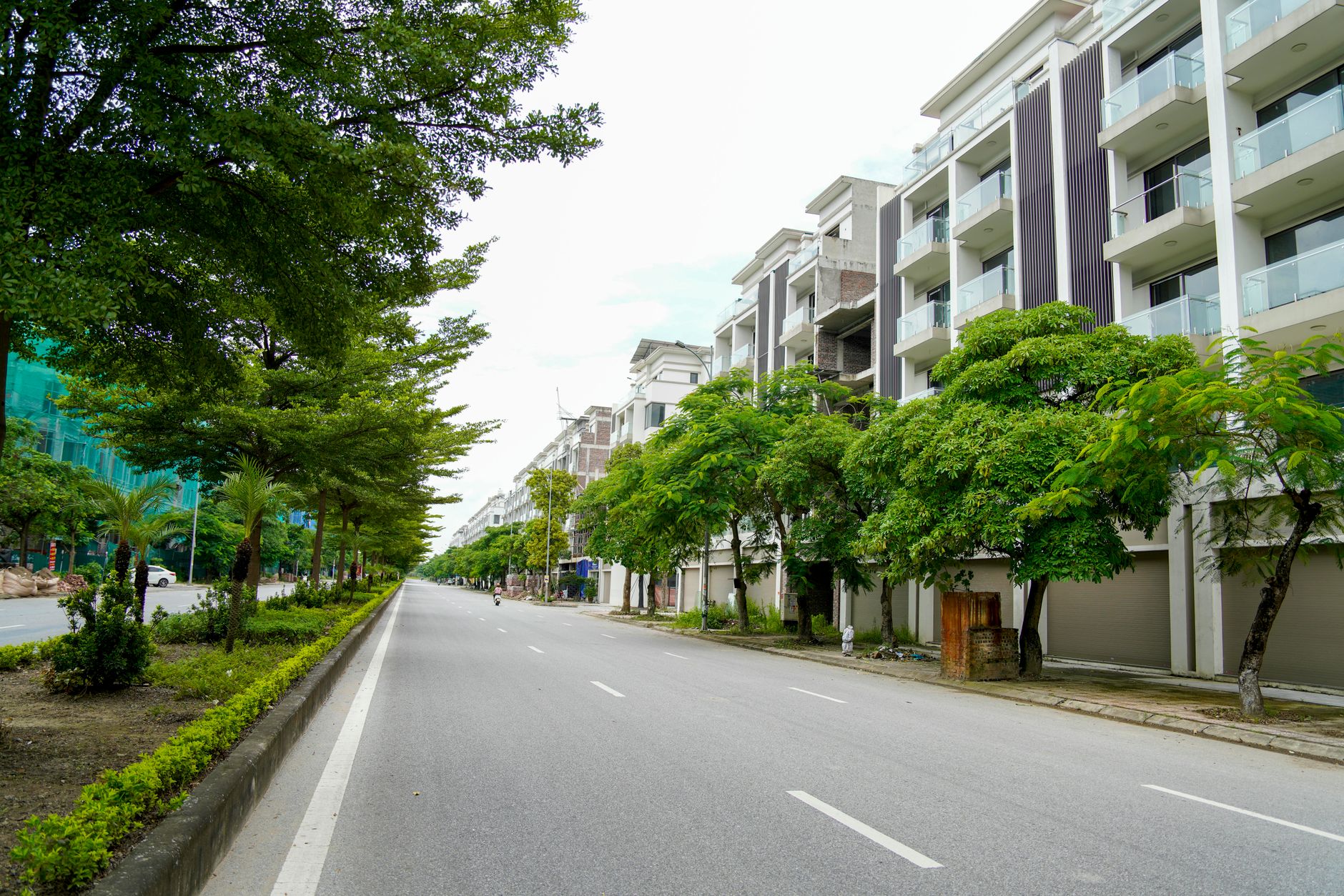
Vietnam property sales have hit their lowest level since 2021, creating challenges for potential buyers in the real estate market. The decline reflects increasing prices and market pressures.
Current State of Vietnam Property Sales
The current state of Vietnam property sales has reached a concerning low, with figures reflecting the worst performance since 2021. Recent reports indicate that the market is facing significant challenges, primarily due to rising prices that are squeezing potential buyers. As affordability diminishes, many prospective homeowners are finding it increasingly difficult to enter the market.
Analysts have pointed to several factors contributing to this downturn:
- Rising Interest Rates: Increased borrowing costs have made mortgages less accessible for many buyers.
- Heightened Inflation: The overall economic environment has led to higher living costs, impacting consumer spending.
- Regulatory Changes: New policies aimed at stabilizing the market have inadvertently created uncertainty among investors.
As a result, developers are facing slower sales and are adjusting their strategies to attract buyers. Some are even considering price reductions or offering incentives to stimulate interest. The outlook for Vietnam property sales remains uncertain, with many stakeholders closely monitoring market trends to gauge recovery potential.
This period of stagnation raises questions about the future of the real estate sector in Vietnam and its capacity to rebound in the coming months.
Factors Influencing Market Decline
The recent decline in Vietnam property sales can be attributed to several key factors that have significantly impacted the market. Understanding these influences is crucial for potential buyers and investors looking to navigate the current landscape.
- Rising Interest Rates: As central banks globally increase interest rates to combat inflation, borrowing costs for potential homeowners have surged. This has led to a decrease in affordability, pushing many buyers out of the market.
- Economic Uncertainty: Ongoing economic challenges, including inflation and fluctuating currency values, have created a climate of uncertainty. Many consumers are hesitant to make significant financial commitments such as purchasing property.
- Regulatory Changes: New regulations and policies regarding property ownership and transactions have added complexity to the market. Investors may be deterred by the potential risks associated with these changes.
- Supply and Demand Imbalance: A surplus of properties combined with stagnant demand has led to a decline in sales. Many sellers are reluctant to lower prices, resulting in a standstill in transactions.
These factors collectively contribute to the current situation, marking a challenging period for Vietnam property sales.
Impact on Potential Buyers
The recent decline in Vietnam property sales has significant implications for potential buyers navigating the current market landscape. As prices continue to rise, many prospective homeowners are finding it increasingly challenging to secure financing and afford their desired properties.
According to experts, the tightening of credit and rising interest rates have compounded the difficulties faced by buyers. The increased costs associated with property purchases can deter first-time buyers, who may feel priced out of the market.
Additionally, the uncertainty surrounding the economic environment has led to a cautious approach among potential investors. Many are opting to wait for more favorable conditions before committing to a purchase, further exacerbating the slowdown in sales.
For those still considering entering the market, it is crucial to stay informed about current trends and financing options. Here are some factors potential buyers should consider:
- Market Trends: Keep an eye on property price movements and demand in preferred locations.
- Financing Options: Explore various mortgage products to find the best fit for your financial situation.
- Timing: Assess whether to act now or wait for potential market improvements.
In this challenging environment, potential buyers must navigate carefully to make informed decisions about Vietnam property sales.
Future Predictions for Real Estate
As Vietnam property sales reach their lowest levels since 2021, experts are weighing in on the future of the real estate market. With prices continuing to squeeze buyers, forecasts suggest that the market may face prolonged challenges ahead.
A few key predictions include:
- Stagnant Prices: Analysts believe that property prices may stabilize in the short term, as sellers adjust their expectations and demand continues to wane.
- Increased Supply: Developers may respond to the declining sales by shifting strategies, potentially leading to an oversupply of properties in certain areas.
- Regulatory Changes: The government may introduce new policies aimed at reviving the market, including incentives for first-time homebuyers and adjustments to lending practices.
- Long-term Recovery: Many industry insiders remain optimistic, suggesting that as the economy stabilizes, Vietnam property sales could rebound, particularly in urban areas with strong job growth.
In conclusion, while the immediate outlook for Vietnam property sales appears bleak, strategic adjustments and market resilience may pave the way for recovery in the coming years.
Government Response to Market Challenges
The Vietnamese government is taking steps to address the ongoing challenges in the property market, which has seen Vietnam property sales plummet to the lowest levels since 2021. In response to the decline, officials are focusing on regulatory reforms aimed at stabilizing the real estate sector and fostering a more sustainable market environment.
Among the key initiatives being considered are:
- Streamlining approval processes: The government plans to reduce bureaucratic hurdles that hinder new developments and investment, which can play a crucial role in revitalizing property sales.
- Financial assistance programs: To support both buyers and developers, officials are exploring various financial aid options, including subsidies and low-interest loans, to encourage investment in the property sector.
- Tax incentives: Implementing tax breaks for property developers could stimulate construction activities, ultimately leading to an increase in available housing and commercial spaces.
Additionally, the government aims to enhance transparency and investor confidence within the market. By addressing these issues, the authorities hope to create a more favorable environment for Vietnam property sales, ultimately benefiting both buyers and the economy at large.
Photo by Ngân Nguyễn on Pexels