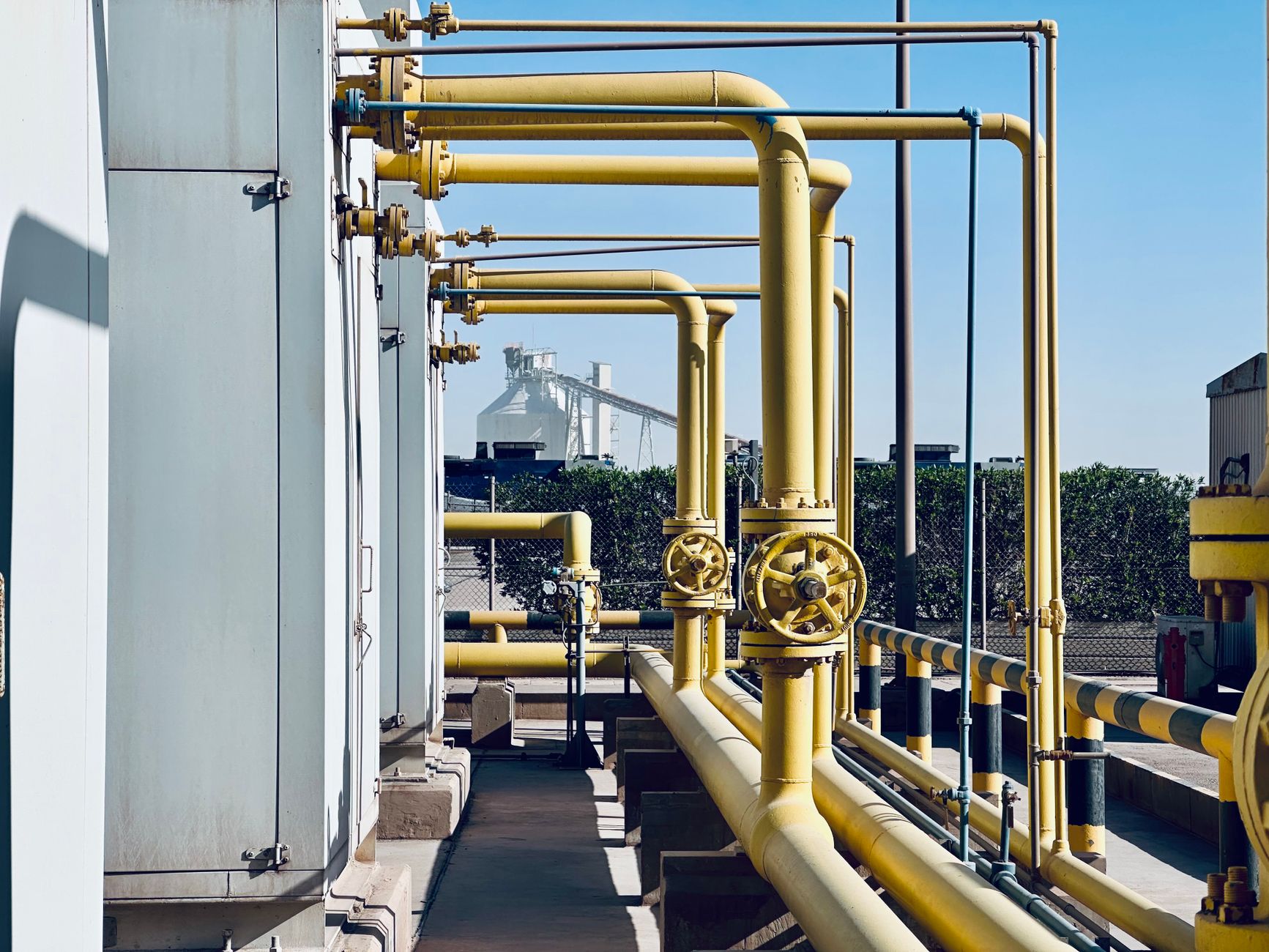
Gas Pipeline Project is set to revolutionize energy distribution in India. Indian Oil has approved a significant ₹2,449 Crore investment to enhance infrastructure and connectivity.
Overview of the Gas Pipeline Project
The Gas Pipeline Project has recently gained significant attention following the approval of a ₹2,449 crore investment by Indian Oil. This ambitious initiative aims to enhance the country’s energy infrastructure and ensure a more reliable supply of natural gas to various regions.
Key features of the Gas Pipeline Project include:
- Increased Capacity: The project is designed to transport a larger volume of gas, meeting the growing energy demands of both residential and commercial sectors.
- Enhanced Connectivity: It will connect key industrial hubs with regional gas networks, facilitating smoother distribution and access to natural gas.
- Economic Growth: By improving energy availability, the project aims to stimulate local economies and attract further investment in related industries.
- Environmental Benefits: The transition to natural gas is expected to lower carbon emissions compared to traditional fossil fuels, supporting India’s sustainability goals.
Overall, the Gas Pipeline Project represents a strategic move towards modernizing the energy sector, positioning India as a key player in the regional gas market. As the project progresses, stakeholders remain optimistic about its potential impact on energy security and economic development.
Importance of Gas Infrastructure in India
The development of gas infrastructure is crucial for India’s energy security and economic growth. As the nation strives to transition to cleaner energy sources, the Gas Pipeline Project plays a pivotal role in connecting gas supplies to various regions, ensuring accessibility and affordability for consumers.
The significance of robust gas infrastructure can be understood through several key factors:
- Energy Transition: With a commitment to reducing carbon emissions, India is focusing on natural gas as a cleaner alternative to coal and oil.
- Economic Growth: Enhanced gas infrastructure supports industrial growth by providing reliable energy, thus attracting investments.
- Job Creation: The construction and operation of gas pipelines generate employment opportunities in various sectors.
- Regional Development: Improved gas access can stimulate economic activities in underdeveloped areas, promoting balanced regional growth.
Moreover, the connectivity provided by the Gas Pipeline Project aids in stabilizing gas prices, ensuring that consumers benefit from competitive rates. This initiative reflects India’s commitment to energy independence and its goal to create a sustainable energy future.
Investment Details and Financial Implications
The recent approval of the ₹2,449 Crore Gas Pipeline Project by Indian Oil signifies a substantial step towards enhancing India’s gas infrastructure. This investment is set to yield multiple financial implications that could positively impact the energy sector and economy as a whole.
Key details regarding the investment include:
- Project Cost: The total investment of ₹2,449 Crore will cover construction, operational expenses, and maintenance of the pipeline.
- Funding Sources: The project is expected to be financed through a mix of internal accruals and loans from financial institutions, thereby minimizing risks.
- Projected Returns: The project aims to provide a stable return on investment (ROI) through increased gas supply and distribution efficiency.
- Job Creation: Construction and operation of the pipeline are projected to create numerous jobs, further boosting the local economy.
Overall, the Gas Pipeline Project is not just a critical infrastructure investment; it represents a strategic move towards energy security and sustainability in India. The long-term benefits are anticipated to outweigh the initial costs, making it a smart investment for stakeholders involved.
Timeline for Project Completion
The timeline for the Gas Pipeline Project has been meticulously planned to ensure timely completion and operational efficiency. The project is set to unfold in several key phases, each designed to address specific milestones.
- Phase 1: Planning and Approvals – This initial phase, which began in early 2023, focused on securing necessary regulatory approvals and conducting feasibility studies. It is expected to conclude by the end of 2023.
- Phase 2: Construction Begins – Construction is slated to commence in early 2024, with a projected duration of approximately 18 months. This phase will involve laying down pipes and establishing the necessary infrastructure.
- Phase 3: Testing and Commissioning – Following construction, testing of the pipeline infrastructure will be carried out to ensure safety and efficiency. This phase is anticipated to begin in mid-2025 and last for about six months.
- Phase 4: Operational Launch – The Gas Pipeline Project is expected to be fully operational by late 2025, marking a significant advancement in India’s gas infrastructure.
Overall, the completion of the Gas Pipeline Project is poised to enhance energy accessibility across the region, fostering economic growth and development.
Environmental Impact Considerations
The Gas Pipeline Project has raised important discussions surrounding its environmental impact. As with any large-scale infrastructure initiative, careful consideration must be given to how it will affect local ecosystems and communities.
Key environmental impact considerations include:
- Land Use: The project will require significant land for the pipeline route, which may disrupt local habitats and agricultural activities.
- Water Resources: Potential risks to water sources must be assessed, particularly in regions where drought or water scarcity is already a concern.
- Emission Levels: While natural gas is considered cleaner than coal, emissions during construction and operation phases must be evaluated to ensure compliance with environmental standards.
- Community Engagement: Involving local communities in discussions about the project can help address concerns and mitigate negative impacts.
Despite these challenges, proponents argue that the Gas Pipeline Project represents a step towards more sustainable energy solutions. By enhancing infrastructure, it could lead to a more efficient distribution of natural gas, which may ultimately reduce reliance on more harmful energy sources.
Balancing development with environmental stewardship will be crucial as the project moves forward.
Stakeholder Reactions and Insights
The announcement of the Gas Pipeline Project has elicited a range of reactions from various stakeholders involved in the energy sector. Industry experts, environmentalists, and local communities have expressed their opinions on the potential impact of the project.
- Industry Experts: Many experts have lauded the Gas Pipeline Project as a crucial step towards enhancing India’s energy security. They believe that improved gas infrastructure will facilitate a more stable energy supply and reduce dependency on imported fuels.
- Environmental Concerns: On the other hand, environmental advocates have raised concerns about the potential ecological impact. They emphasize the need for thorough assessments and mitigation strategies to protect sensitive ecosystems along the pipeline route.
- Local Communities: Residents in areas affected by the project have voiced mixed feelings. While some acknowledge the potential for job creation and economic growth, others worry about land acquisition and disruption to their livelihoods.
- Government Officials: Officials from the Ministry of Petroleum and Natural Gas expressed confidence in the project’s benefits, stating that it aligns with national energy goals and promotes sustainable development.
As the Gas Pipeline Project moves forward, ongoing dialogue among stakeholders will be essential to address concerns and maximize benefits for all parties involved.
Future of Natural Gas in India
The future of natural gas in India is poised for significant transformation, driven by strategic infrastructure projects like the Gas Pipeline Project. As the nation seeks to enhance energy security and reduce dependence on coal, natural gas is emerging as a cleaner alternative that supports economic growth while addressing environmental concerns.
According to industry experts, the demand for natural gas is expected to rise sharply, with projections indicating that it could account for over 15% of India’s primary energy consumption by 2030. This shift is largely fueled by the government’s commitment to expanding the gas network and increasing domestic production.
Moreover, the Gas Pipeline Project is set to play a pivotal role in this transition. By connecting regions with abundant natural gas resources to areas with high demand, it will facilitate a more efficient and reliable supply chain. This infrastructure will not only support industrial growth but also promote cleaner energy usage in households, helping to lower carbon emissions.
In addition, the project is expected to attract foreign investment, further strengthening India’s position in the global energy market. With a focus on sustainability and economic viability, the Gas Pipeline Project represents a smart investment in India’s energy future.
Comparative Analysis with Other Projects
When considering the Gas Pipeline Project, it is essential to compare its potential benefits and challenges with similar initiatives across the region. Several projects have emerged in the past few years, offering valuable insights into the effectiveness and feasibility of gas infrastructure developments.
- Project A: This gas pipeline initiative demonstrated a successful rollout, completing its construction ahead of schedule. However, it faced criticism for its environmental compliance, raising concerns among local communities.
- Project B: In contrast, this project struggled with delays due to regulatory hurdles but prioritized environmental assessments, earning it broad community support. Its lessons highlight the need for balancing speed and sustainability in projects like the Gas Pipeline Project.
- Project C: A recent pipeline in a neighboring country showcased the importance of international collaboration, significantly reducing costs and enhancing operational efficiencies. Such collaboration could be a key factor for the success of the Gas Pipeline Project in India.
Overall, while the Gas Pipeline Project aims to improve energy access and economic growth, it must learn from the successes and failures of other projects to ensure a smooth and sustainable implementation.
Photo by Mumtaz Niazi on Pexels