
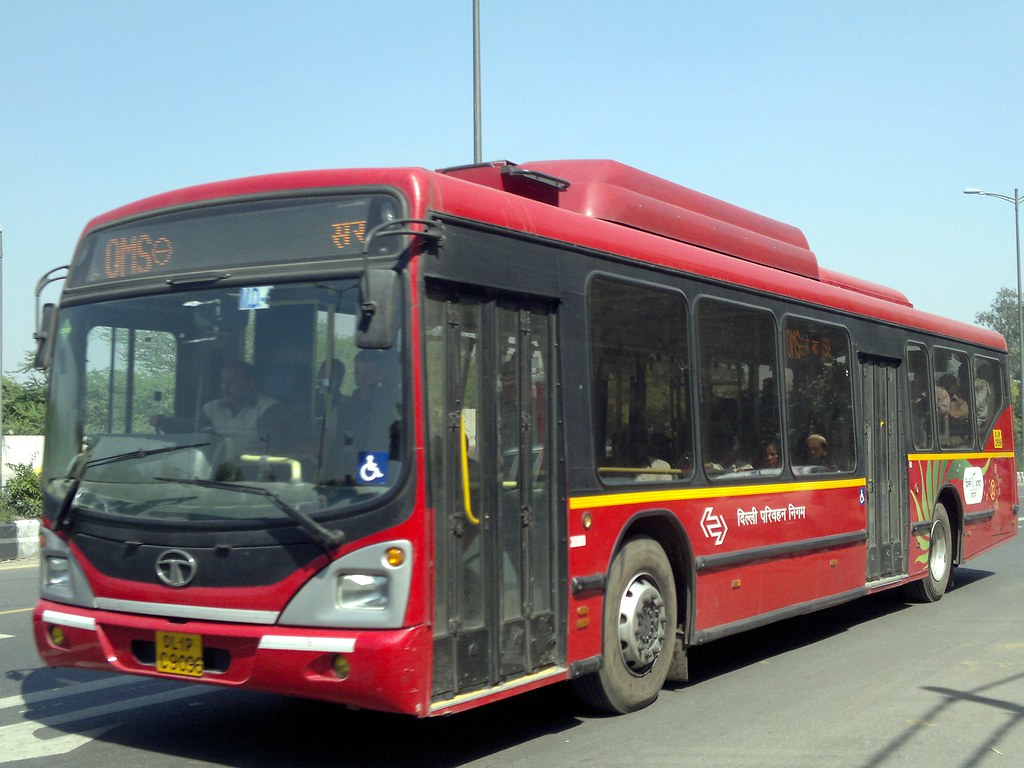
Pune Metro operations have officially commenced, providing a new and efficient public transport option for residents. This innovative project aims to enhance connectivity and reduce traffic congestion in Pune.
Overview of Pune Metro
The Pune Metro operations have marked a significant milestone in the city’s public transport landscape. Launched under a public-private partnership model, this metro rail project aims to alleviate traffic congestion and provide a reliable commuting option for residents and visitors alike.
The metro system spans various corridors, connecting key areas of the city and enhancing accessibility. With modern trains and state-of-the-art facilities, Pune Metro promises a comfortable travel experience. Its design prioritizes safety and efficiency, making it an attractive choice for daily commuters.
Some of the key features of Pune Metro operations include:
- Integrated Ticketing System: Passengers can seamlessly use a single ticket for multiple modes of transport.
- Eco-Friendly Initiatives: The metro aims to reduce carbon emissions by promoting electric trains.
- Real-Time Updates: Commuters can access live information about train schedules and delays.
- Accessibility Features: Facilities for differently-abled individuals are incorporated throughout the stations.
As the Pune Metro continues to expand, it raises important questions about its effectiveness as the best public transport option in the city, particularly in comparison to traditional bus services and auto-rickshaws.
Benefits of Metro Rail
The launch of Pune Metro operations has brought a new wave of public transport to the city, offering several key benefits that enhance urban mobility. One of the primary advantages is reduced travel time. With dedicated tracks and no traffic interruptions, commuters can reach their destinations faster compared to traditional road transport.
Additionally, Pune Metro operations contribute to environmental sustainability. By encouraging the use of public transport, the metro system helps decrease the number of vehicles on the roads, thereby reducing air pollution and carbon emissions. This shift towards cleaner transportation aligns with global efforts to combat climate change.
Cost-effectiveness is another significant benefit. Fares for the metro are generally lower than those for private taxis or ride-sharing services, making it an affordable option for daily commuters. Furthermore, the metro offers a reliable schedule, minimizing delays and providing passengers with predictable travel times.
Finally, the introduction of Pune Metro operations is expected to boost local economies. Improved connectivity will facilitate easier access to jobs, education, and healthcare, enhancing the overall quality of life for residents. This transformation in public transport is seen as a pivotal step towards modernizing Pune’s infrastructure.
Public-Private Partnership Explained
Pune Metro operations have been made possible largely due to a Public-Private Partnership (PPP) model, which has become a vital aspect of modern infrastructure development in India. This approach allows for collaboration between government entities and private firms, combining public oversight with private sector efficiency.
In a PPP framework, the private sector typically handles project financing, construction, and operation, while the government provides regulatory support and oversight. This model is designed to enhance service delivery, optimize resource allocation, and reduce the financial burden on the public sector.
Key features of the PPP model in Pune Metro include:
- Investment: Private companies invest significant capital for the development and maintenance of the metro system.
- Efficiency: The involvement of experienced private firms aims to streamline operations and ensure timely project completion.
- Risk Sharing: Risks associated with construction delays and operational challenges are shared between the public and private entities.
This innovative approach has not only expedited the Pune Metro operations but also set a precedent for future infrastructure projects across India. As the metro continues to expand, its success will be closely monitored as a potential model for other cities looking to improve public transport options.
Impact on Local Traffic
The launch of Pune Metro operations has sparked a significant transformation in the city’s public transport landscape. As more residents choose to utilize the metro, the impact on local traffic patterns is becoming increasingly evident.
One of the most immediate effects observed is a reduction in congestion on major roadways. With less reliance on personal vehicles, commuters are finding it easier to navigate the city. This shift is crucial in a rapidly growing urban environment like Pune, where traffic jams have long been a persistent issue.
Moreover, the Pune Metro operations aim to encourage a culture of public transport use, which can lead to lower carbon emissions and improved air quality. By providing an efficient alternative to traditional road transport, the metro is expected to alleviate pressure on bus services and reduce the number of vehicles on the streets.
However, the transition is not without its challenges:
- Infrastructure Development: Ongoing construction may temporarily disrupt traffic flow in certain areas.
- Public Adaptation: Some residents may be hesitant to shift from their personal vehicles to the metro system.
- Fare Structures: Concerns about affordability could impact ridership levels.
Ultimately, the successful integration of Pune Metro operations into the city’s transportation framework will require a concerted effort from both authorities and the public.
Future Expansion Plans
The Pune Metro operations have gained significant attention, not only for their current performance but also for the ambitious expansion plans set to enhance the city’s public transport network. As the demand for efficient commuting options grows, the Pune Metropolitan Region Development Authority (PMRDA) has outlined several phases for extending the metro lines.
These future expansion plans aim to connect more areas within Pune as well as its suburbs, thereby increasing accessibility for residents. The proposed extensions include:
- Phase 2: An additional corridor extending to major residential and commercial hubs.
- Phase 3: Aiming to link Pune with nearby cities, facilitating inter-city travel.
- Feeder Services: Integration with buses and other local transport options to create a seamless travel experience.
Moreover, with the increasing focus on sustainability, Pune Metro operations are expected to promote eco-friendly transport solutions. The government is also considering the incorporation of advanced technology to improve efficiency and passenger experience.
As the project develops, stakeholders hope that these expansions will not only support the growing population but also significantly reduce traffic congestion, making Pune Metro operations a pivotal element in the city’s public transport landscape.
Comparing Metro with Other Transport
As Pune Metro operations continue to expand, it is essential to compare this mode of transport with other public transport options available in the city. While buses and auto-rickshaws are popular choices, they often face challenges such as traffic congestion and limited capacity during peak hours.
When evaluating Pune Metro against these alternatives, several factors come into play:
- Speed: Pune Metro offers a faster travel time due to its dedicated tracks, bypassing road traffic.
- Capacity: With the ability to carry thousands of passengers at once, the metro can significantly reduce overcrowding that is often seen in buses.
- Reliability: Metro services are less affected by weather conditions and road conditions, ensuring a more consistent travel experience.
- Environmental Impact: Electric-powered metro trains contribute to lower emissions compared to diesel or petrol-fueled vehicles.
However, there are still challenges to consider. The initial cost of construction and the need for adequate infrastructure to support metro stations can be significant. Additionally, the success of Pune Metro operations will depend on public acceptance and integration with existing transport systems.
Overall, while Pune Metro presents a promising public transport option, its effectiveness will ultimately depend on how well it complements other modes of transportation in the city.
Passenger Feedback and Experience
Passenger feedback regarding Pune Metro operations has been largely positive, with many commuters appreciating the efficiency and convenience of the service. A recent survey highlighted several key aspects that passengers value in their daily commutes.
- Timeliness: Many users noted that trains run on schedule, significantly reducing wait times compared to other forms of transport.
- Cleanliness: Passengers have praised the cleanliness of the metro stations and trains, contributing to a pleasant travel experience.
- Comfort: The spacious interiors and comfortable seating have made longer journeys more bearable, especially during peak hours.
- Safety: Enhanced security measures and surveillance systems have put passengers at ease, with many expressing a feeling of safety while traveling.
However, some commuters have pointed out areas for improvement. Instances of overcrowding during rush hours have been a concern, leading to suggestions for increased train frequency. Additionally, while the metro system is well-connected, some passengers feel that further integration with other transport options could enhance overall accessibility.
Overall, the feedback on Pune Metro operations indicates a favorable reception, highlighting it as a competitive public transport option in the city.
By Rameshng via Openverse
References
Related stories
Pune Metro projects: The Smart Expansion of India’s Network · Metro corridor ridership: Proven boost for existing routes · Motorola Signature 27 Specs: Best Features Revealed Before Launch