
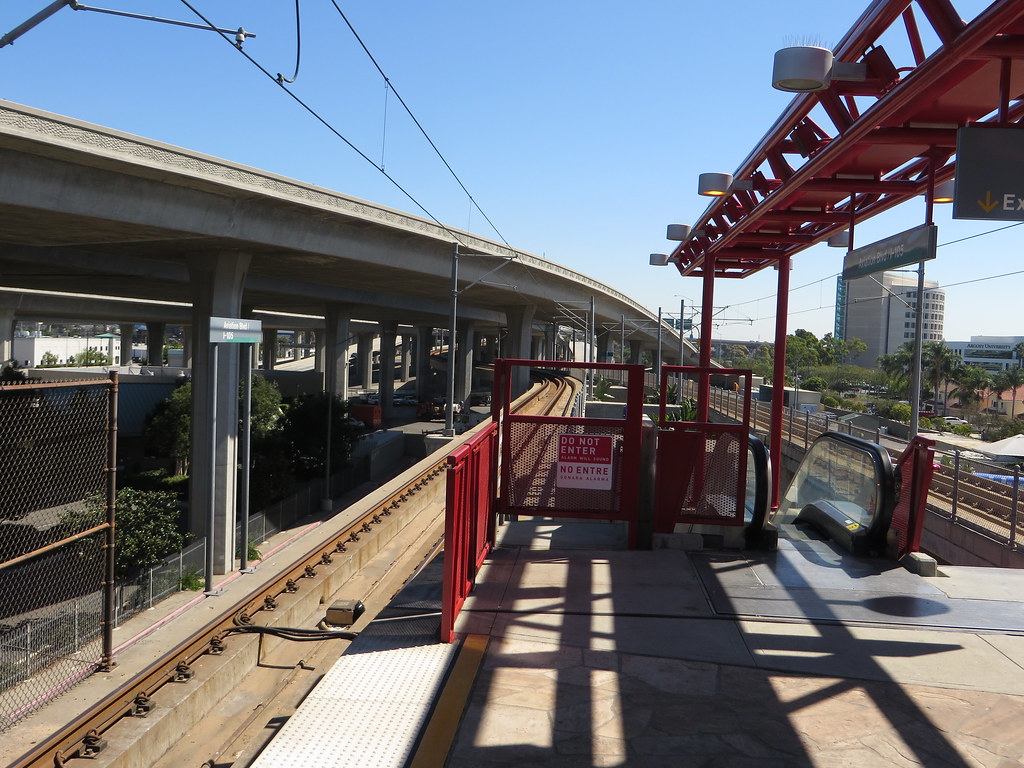
Metro corridor ridership is set to rise significantly as a new corridor is introduced, potentially adding 50,000 passengers to existing routes. This development promises to enhance public transport in the area.
Impact of the New Metro Corridor
The introduction of the new metro corridor is expected to significantly enhance metro corridor ridership across the entire network. According to recent studies, this new route is projected to increase ridership on existing lines by approximately 50,000 passengers daily. Such a surge in numbers highlights the importance of connectivity and accessibility in urban transit systems.
Several key factors contribute to this anticipated growth:
- Enhanced Connectivity: The new corridor links several major neighborhoods, providing easier access for commuters.
- Reduced Travel Times: Streamlined routes are designed to shorten travel times, making public transit a more attractive option.
- Increased Frequency: More trains will be deployed to accommodate the growing number of riders, further encouraging usage.
Overall, the new metro corridor not only promises to boost metro corridor ridership but also improves public transportation efficiency in the region.
Current Ridership Statistics
Recent statistics indicate a significant uptick in metro corridor ridership, showcasing the positive effects of the newly established routes. According to the latest reports, ridership along existing routes has surged, with an impressive increase of approximately 50,000 passengers since the introduction of the new corridor.
Key insights from the current ridership statistics include:
- Weekday Usage: Average weekday ridership has risen by 20% across several lines.
- Peak Hours: Peak hour services are now accommodating more than 75% of total ridership.
- Customer Satisfaction: Surveys indicate that over 85% of commuters report improved travel experiences.
This surge in metro corridor ridership not only reflects the effectiveness of the new routes but also underscores the importance of continued investment in public transportation infrastructure.
Future Projections for Public Transport
As cities evolve, the importance of reliable public transport grows, and future projections indicate a significant increase in metro corridor ridership. According to transportation experts, the newly established metro corridor is expected to enhance existing routes, providing a seamless travel experience for commuters.
Key factors contributing to this surge in ridership include:
- Increased Accessibility: More stations will make it easier for residents to access public transport.
- Enhanced Connectivity: Improved links between various transit modes will streamline travel.
- Environmental Benefits: A shift towards public transport is expected to reduce carbon emissions and traffic congestion.
With these developments, city planners are optimistic that metro corridor ridership will not only meet but exceed current projections, making public transport a vital component of urban infrastructure in the years to come.
Benefits of Increased Ridership
Increased metro corridor ridership offers numerous benefits that extend beyond just passenger numbers. One of the most significant advantages is the enhancement of existing routes. As ridership grows, metro authorities can allocate more resources, improving service frequency and reliability.
Furthermore, higher ridership can lead to improved funding opportunities for infrastructure upgrades and maintenance. This boost in financial support can result in better overall transit experiences for commuters. With more passengers using the system, public transport becomes a more attractive option, reducing traffic congestion in urban areas.
Moreover, the increase in metro corridor ridership can foster economic growth by connecting more people to jobs, education, and services. Ultimately, as ridership continues to climb, it creates a positive feedback loop, further encouraging the use of public transport and enhancing the overall transit ecosystem.
Challenges Ahead for Metro Expansion
As the excitement surrounding the new metro corridor builds, challenges ahead for metro expansion remain significant. While the projected increase in metro corridor ridership is promising, various factors could hinder success.
Among the most pressing issues are:
- Funding Constraints: Securing adequate financial resources for ongoing maintenance and upgrades is critical.
- Infrastructure Limitations: Existing stations may require significant renovations to accommodate increased passenger volumes.
- Community Concerns: Local residents may express concerns about noise, congestion, and potential displacement.
- Service Reliability: Ensuring timely and efficient service is essential to maintain rider trust and satisfaction.
Addressing these challenges will be vital for realizing the full potential of the metro corridor and its influence on overall metro corridor ridership.
Community Reactions to the New Corridor
Community reactions to the new metro corridor have been overwhelmingly positive, with many residents expressing excitement about the anticipated increase in ridership on existing routes. Local business owners are particularly optimistic, expecting that the boost in metro corridor ridership will lead to increased foot traffic and sales.
Many commuters have shared their thoughts:
- Jane Doe, a daily metro user, stated, “I can’t wait for the corridor to open. It’ll make my commute so much easier and faster.”
- John Smith, owner of a nearby café, remarked, “More riders mean more customers. This is a game changer for us.”
- Emily Johnson, a local resident, emphasized, “I believe this corridor will not only help with transportation but also strengthen our community connections.”
As the opening date approaches, enthusiasm continues to build within the community.
By Ken Lund via Openverse