
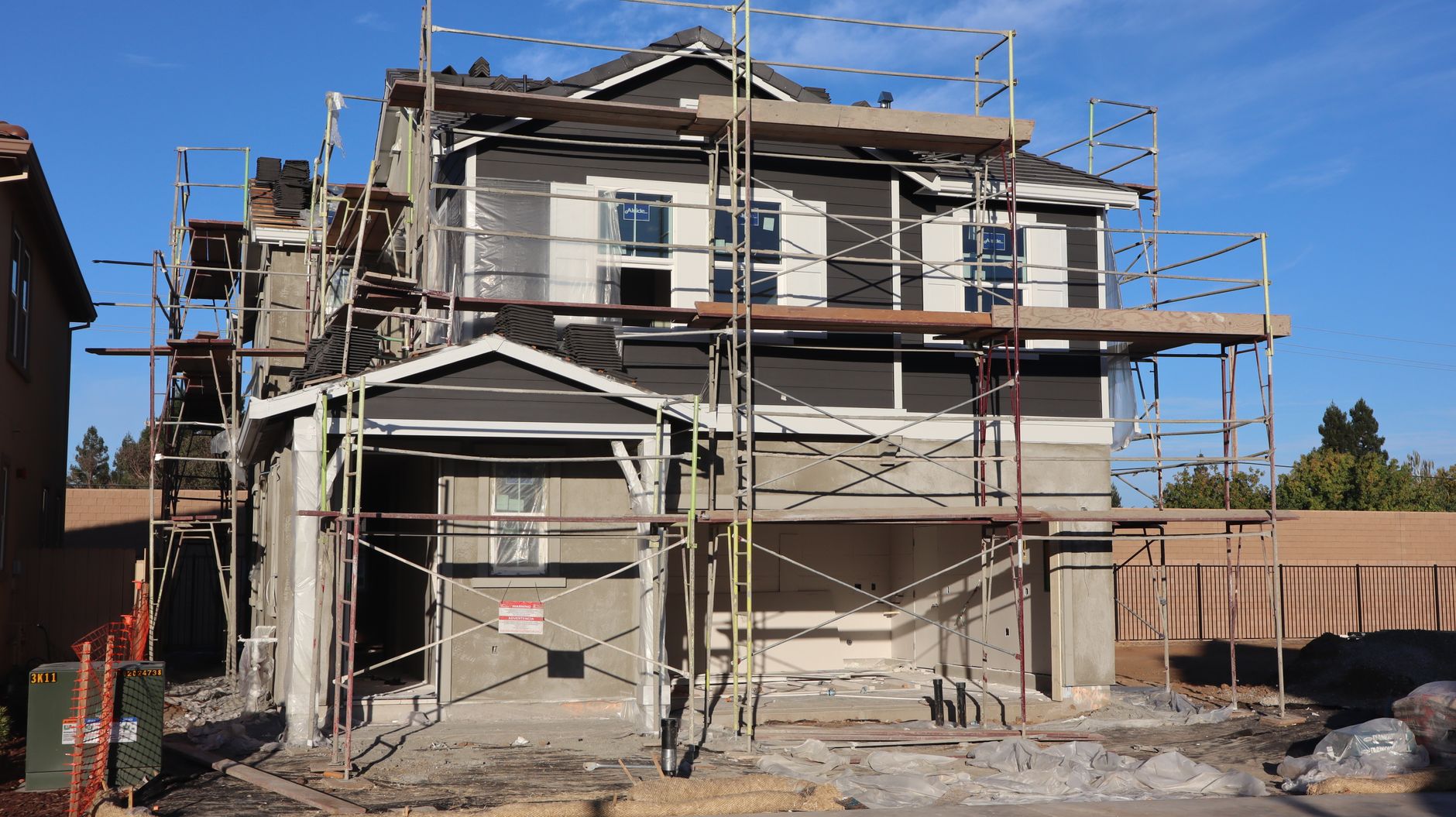
Builders’ one-sided terms have become a focal point as the Centre seeks an early hearing in the RERA case. This development raises important questions about fairness in real estate transactions.
Understanding RERA and Its Implications
The Real Estate (Regulation and Development) Act, known as RERA, was established to protect the interests of homebuyers and promote transparency in the real estate sector. Understanding RERA and its implications is crucial for buyers navigating the complexities of property purchases.
One of the significant issues that has emerged is the prevalence of builders’ one-sided terms, which often leave buyers vulnerable. These terms can include unrealistic payment schedules, unfair penalty clauses, and lack of clarity regarding project timelines. RERA aims to address these discrepancies by mandating that builders adhere to fair practices and provide clear information regarding their projects.
Under RERA, buyers have the right to demand accountability from builders, which can mitigate the risk associated with one-sided terms. The Act empowers buyers by requiring builders to register their projects, ensuring compliance with guidelines that protect consumer interests.
Moreover, RERA establishes a framework for dispute resolution, allowing buyers to seek redressal in cases where builders do not honor their commitments. As the Centre seeks an early hearing in the ongoing RERA case, the focus on builders’ one-sided terms highlights the need for stronger regulations to safeguard homebuyers.
The Impact of One-Sided Terms on Buyers
The introduction of builders’ one-sided terms has raised significant concerns among prospective buyers. These terms often favor builders, creating an imbalance in the buyer-seller relationship. As a result, many buyers find themselves in vulnerable positions, unable to contest unfair clauses without facing potential legal repercussions.
One major impact of these terms is the financial burden placed on buyers. Often, they are required to pay hefty penalties for delays that may not be their fault. Additionally, the lack of transparency in agreements leaves many buyers uncertain about their rights, which can lead to disputes and prolonged legal battles.
Furthermore, buyers may also encounter limitations on their ability to request modifications or seek remedies for unsatisfactory construction quality. This can result in a subpar living experience, as buyers feel trapped in agreements that do not prioritize their needs.
Given these challenges, it is crucial for buyers to thoroughly scrutinize any contracts before committing. Seeking expert legal advice can empower them to navigate these convoluted terms and mitigate risks associated with builders’ one-sided terms.
- Increased financial liabilities
- Lack of transparency and clarity
- Limited recourse for quality issues
Legal Recourse for Affected Buyers
For buyers affected by builders’ one-sided terms, understanding their legal options is crucial. Many homeowners may feel trapped by contracts that favor builders, but there are avenues for recourse under the Real Estate (Regulation and Development) Act, commonly known as RERA.
RERA was instituted to protect buyers and promote transparency in the real estate sector. It provides a framework for resolving disputes and offers several protections for consumers. Buyers facing issues due to builders’ one-sided terms can take the following steps:
- File a Complaint: Buyers can file a complaint with the RERA authority, which is responsible for addressing grievances related to unfair practices.
- Seek Mediation: RERA encourages mediation as a means to resolve disputes before escalating to legal action, which can be less time-consuming and costly.
- Legal Action: If mediation fails, buyers have the right to pursue legal action against the builder for breach of contract or unfair practices.
It is essential for buyers to document all communications and agreements with builders, as this evidence can be pivotal in legal proceedings. By being informed and proactive, buyers can navigate the challenges posed by builders’ one-sided terms effectively.
Government’s Role in Real Estate Fairness
The government’s role in ensuring fairness in real estate transactions has come to the forefront as concerns regarding builders’ one-sided terms continue to grow. With the implementation of the Real Estate (Regulation and Development) Act, or RERA, the aim has been to protect buyers and regulate the industry effectively. However, challenges remain in enforcing these regulations.
Recent discussions have highlighted the need for a more robust framework that addresses the concerns of homebuyers who often find themselves at a disadvantage due to builders’ one-sided terms. The Centre’s push for an early hearing in ongoing RERA cases indicates a willingness to confront these issues head-on.
Some key areas where the government can enhance fairness include:
- Stricter Enforcement: Ensuring that builders comply with regulations set forth by RERA.
- Transparent Processes: Mandating clear communication of terms and conditions to buyers.
- Support Systems: Establishing mechanisms for buyers to report grievances against unfair practices.
Ultimately, the government’s commitment to addressing builders’ one-sided terms is crucial for restoring trust in the real estate market and safeguarding consumer rights.
Recent Developments in the RERA Case
Recent developments in the RERA case have brought the issue of builders’ one-sided terms to the forefront of public discourse. As the Centre seeks an early hearing, stakeholders are increasingly concerned about the implications these terms have on buyers and the overall integrity of the real estate market.
The ongoing case addresses several critical points:
- Unfair Contractual Obligations: Many builders impose terms that significantly favor their interests over those of the buyers.
- Consumer Protection: The need for stronger protections against exploitative practices has never been more pressing.
- Regulatory Framework: RERA’s effectiveness in curbing these one-sided terms is under scrutiny as more buyers come forward with complaints.
- Legal Precedents: Previous rulings may set crucial precedents for future cases involving builders’ agreements.
As the legal battle unfolds, it is essential for buyers to remain informed about their rights and the potential changes that could arise from this case. The outcome may redefine the relationship between builders and buyers, ensuring more balanced agreements in the future.
Expert Opinions on Builders’ Practices
Experts in the real estate sector have raised significant concerns regarding builders’ one-sided terms, which often leave buyers with limited protection. According to industry analysts, these terms can result in an imbalance of power between developers and homebuyers, potentially leading to disputes over contract interpretations and project delays.
Dr. Anita Sharma, a legal analyst specializing in real estate, notes, “The builders’ one-sided terms often lack clarity and can be detrimental to buyers who may not fully understand the implications of what they are signing.” She emphasizes that many buyers, especially first-time homeowners, are unaware of the risks associated with these contracts.
Moreover, Rajiv Khanna, a consumer rights advocate, highlights the importance of transparency in real estate transactions. “Buyers must be educated about their rights and the potential pitfalls of accepting builders’ one-sided terms,” he states. “Without proper awareness, they may find themselves trapped in unfavorable situations.”
In light of these challenges, experts recommend that prospective buyers seek legal advice before entering into agreements, ensuring they fully comprehend the terms and can negotiate fairer conditions.
Photo by D Goug on Pexels