
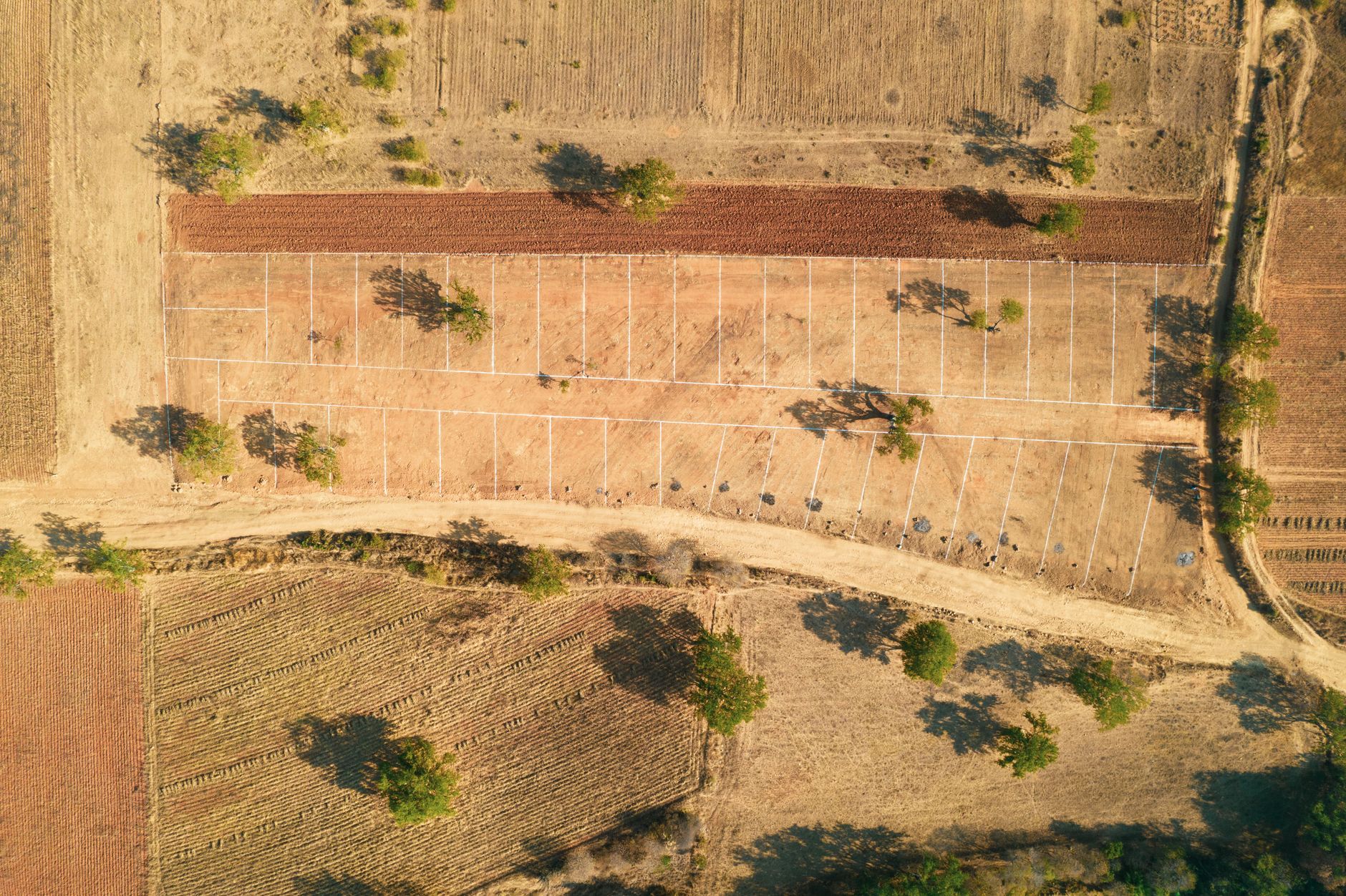
Land plots transformation is a key focus in Vietnam’s real estate sector. Hundreds of plots are awaiting conversion into housing projects, promising new opportunities for development.
Overview of Land Plots Transformation
The process of land plots transformation is becoming a focal point in urban development, especially as cities strive to meet the growing demand for housing. With the implementation of Resolution 171, hundreds of land plots are now poised for conversion into vibrant residential communities.
This initiative aims to utilize unused or underutilized lands, addressing both housing shortages and urban sprawl. As local governments and developers collaborate, several key factors are considered:
- Community Needs: Identifying the specific requirements of the population ensures that new housing projects are aligned with local demands.
- Sustainability: Emphasizing eco-friendly practices during the transformation process helps create more livable and environmentally responsible spaces.
- Infrastructure Development: Upgrading surrounding infrastructure is essential to support increased population density and ensure accessibility.
- Regulatory Compliance: Adhering to zoning laws and regulations is critical to facilitate a smooth transformation process.
In conclusion, the land plots transformation initiative not only addresses immediate housing needs but also fosters sustainable urban growth, creating a framework for future developments.
Current Status of Housing Projects
The current status of housing projects in the area reveals significant developments as hundreds of land plots are in the pipeline for transformation. Following the implementation of Resolution 171, various stakeholders are actively engaged in the process, aiming to meet the growing demand for housing.
As of now, several key points highlight the progress:
- Project Approvals: Many land plots have received preliminary approvals, allowing developers to commence planning and environmental assessments.
- Community Engagement: Local governments are initiating discussions with residents to address concerns and gather input on proposed housing projects.
- Investment Interest: There is a noticeable increase in interest from both public and private sectors, eager to invest in the transformation of land plots into viable housing solutions.
- Challenges Ahead: Regulatory hurdles and funding issues remain significant challenges that could delay the implementation of these projects.
Overall, the transformation of land plots into housing projects is gaining momentum, but continued collaboration and innovative solutions will be essential to navigate the complexities involved.
Impact on Local Communities
The transformation of land plots into housing projects has a significant impact on local communities. This process not only addresses the increasing demand for residential spaces but also shapes the social and economic landscape of the area.
One of the primary benefits is the creation of new job opportunities. As housing projects develop, they often require a workforce for construction, maintenance, and administration. This influx of employment can bolster the local economy and reduce unemployment rates.
Additionally, the transformation of land plots can lead to improved infrastructure. New housing developments often come with enhanced roads, public transport options, and essential services such as schools and hospitals. This infrastructure development can increase the overall quality of life for residents.
However, there are potential downsides to consider. Rapid transformation may lead to gentrification, displacing long-time residents and altering the community’s character. It is crucial for local governments to balance development with the needs of existing residents to ensure sustainable growth.
In summary, while the transformation of land plots into housing projects presents numerous benefits, careful planning and community engagement are essential for minimizing negative impacts.
Government Policies on Land Use
The government has introduced several policies aimed at facilitating the transformation of land plots into viable housing projects. These regulations are designed to streamline the approval process, making it easier for developers to convert underutilized land into residential spaces.
One significant policy is Resolution 171, which highlights the need for efficient land use and encourages local authorities to prioritize housing development. This resolution has led to the identification of hundreds of land plots awaiting transformation into housing projects, addressing the pressing demand for affordable housing.
Key elements of these policies include:
- Incentives for Developers: Financial benefits are offered to companies that commit to developing housing on designated plots.
- Community Engagement: Local residents are invited to participate in planning discussions to ensure their needs are met.
- Streamlined Permits: The approval process for land use changes has been expedited to encourage faster project initiation.
These government initiatives not only aim to enhance housing availability but also foster sustainable urban development, ensuring that land plots transformation aligns with community growth and environmental considerations.
Challenges in Land Development
The process of land plots transformation into housing projects is fraught with various challenges that can hinder progress. One of the most significant obstacles is the bureaucratic red tape that developers face when navigating local regulations. This often leads to delays in project approvals and increased costs.
Additionally, local communities may resist changes to their environment, fearing that new developments could alter the character of their neighborhoods. Concerns about increased traffic, strain on public services, and potential environmental impacts can lead to public opposition against proposed housing projects.
Financial challenges also play a critical role in the transformation process. Developers often require significant upfront investment, and securing adequate funding can be difficult, especially in uncertain economic climates. Moreover, fluctuating market conditions can affect the feasibility of land plots transformation, making some projects less attractive to investors.
Finally, the need for sustainable practices in construction adds another layer of complexity. Developers must balance the demand for new housing with the necessity of preserving green spaces and minimizing environmental impact.
Future Prospects for Housing
The future prospects for housing, particularly in the context of land plots transformation, appear promising yet complex. As urban populations continue to grow, the demand for affordable housing is at an all-time high. This urgency underscores the importance of efficiently managing land resources to accommodate new housing projects.
Several factors will influence the success of these initiatives:
- Technological Advancements: Innovations in construction technology may expedite the development process, allowing for quicker transformation of land plots into livable spaces.
- Sustainable Practices: Incorporating eco-friendly materials and energy-efficient designs is becoming essential, ensuring that new housing projects align with environmental goals.
- Community Involvement: Engaging local residents in the planning stages can lead to projects that better reflect the needs and desires of the community.
- Regulatory Support: Continued government backing, such as policies similar to Resolution 171, is crucial for overcoming bureaucratic hurdles and streamlining the transformation process.
Ultimately, the future of housing will depend on how effectively stakeholders can navigate these opportunities and challenges in the ongoing land plots transformation.
Case Studies of Successful Projects
Several notable case studies highlight the successful transformation of land plots into thriving housing projects. These examples serve as a testament to the potential of land plots transformation to address housing shortages and enhance community living.
- Project Green Haven: Located in the heart of the city, this initiative transformed abandoned industrial land into a vibrant residential area. The project features sustainable housing units and green spaces, promoting eco-friendly living.
- Riverside Estates: Once a neglected riverside plot, this project now boasts luxury apartments and community amenities. The integration of local art and culture has helped create a sense of belonging among residents.
- Urban Renewal Initiative: This ambitious project focused on dilapidated neighborhoods, converting them into modern housing solutions. The initiative not only provided homes but also revitalized local businesses and public infrastructure.
These case studies illustrate that with the right planning and investment, land plots transformation can lead to comprehensive urban renewal, benefitting both new residents and the existing community. Future projects can draw from these successes to implement best practices and ensure sustainable development.
Conclusion and Next Steps
In conclusion, the transformation of land plots into housing projects represents a significant opportunity for urban development and community enhancement. As highlighted throughout this guide, the current status of these initiatives is shaped by various factors, including government policies, local community impact, and ongoing challenges. The successful case studies demonstrate that with careful planning and collaboration, these projects can yield substantial benefits.
As we look ahead, it is essential for stakeholders, including developers, local governments, and residents, to engage in open dialogue about the future of land plots transformation. This collaboration can ensure that housing projects not only meet the immediate needs of the community but also contribute to sustainable urban growth.
Next steps should involve:
- Conducting community consultations to gather input and address concerns.
- Establishing clear timelines for project completion to manage expectations.
- Exploring funding opportunities to facilitate development.
- Monitoring ongoing projects to assess their impact and effectiveness.
Through these efforts, the vision of repurposing land plots into thriving housing developments can become a reality, benefiting current and future generations.
Understanding the process of land plots transformation is essential for developers looking to maximize their investment potential. By leveraging innovative design and sustainable practices, successful housing projects can emerge from effective land plots transformation.
Photo by Pexels User on Pexels