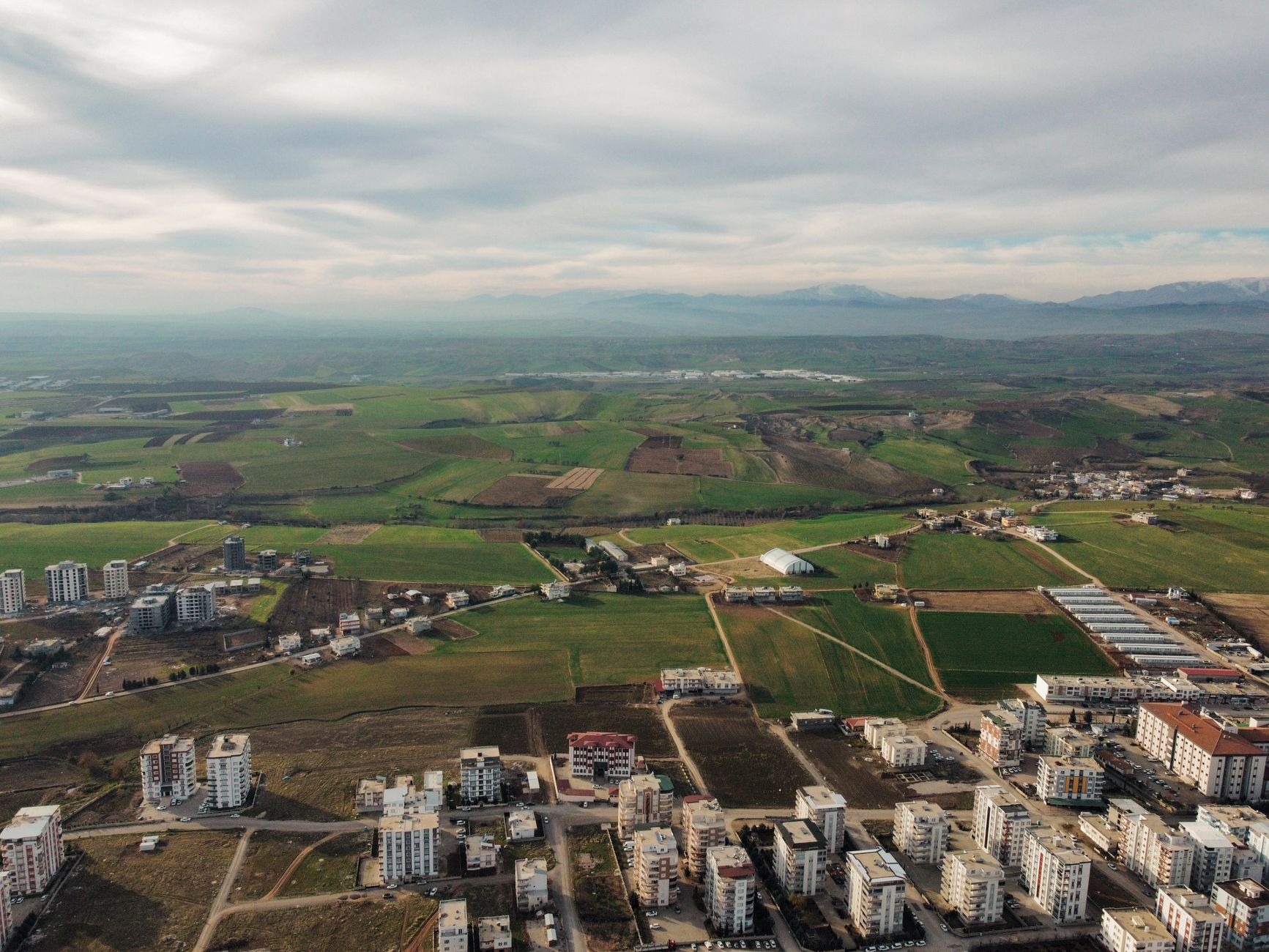
The rural development meet emphasizes the significance of rural development meet in driving community progress and effective last-mile delivery.
Overview of the Rural Development Meet
The recent Rural Development Meet was inaugurated by Chief Minister Shivraj Singh Chouhan, who emphasized the importance of effective last-mile delivery in rural initiatives. This gathering brought together policymakers, experts, and community leaders to discuss innovative approaches to enhance rural living standards.
Key topics included:
- Empowering local communities through skill development and employment opportunities.
- Enhancing agricultural productivity through sustainable practices and technology.
- Improving infrastructure to facilitate better access to markets and services.
- Strengthening governance to ensure transparency and accountability in rural programs.
The focus of the meet was not only on sharing proven strategies for success but also on fostering collaborations between various stakeholders to achieve sustainable rural development.
Importance of Last-Mile Delivery
The importance of last-mile delivery in rural development cannot be overstated. It serves as a critical link between governmental initiatives and the target beneficiaries in remote areas. During the recent rural development meet, experts highlighted several key aspects:
- Accessibility: Ensuring that resources reach the most isolated communities is essential for effective rural development.
- Community Engagement: Involving local populations in the planning and execution of delivery strategies fosters ownership and accountability.
- Technology Integration: Utilizing modern technology can streamline delivery processes and enhance efficiency.
- Feedback Mechanisms: Establishing channels for feedback allows for continuous improvement in service delivery.
By addressing the challenges of last-mile delivery, stakeholders can significantly improve the impact of rural development initiatives, leading to sustainable growth and prosperity.
Key Initiatives Announced
During the recent rural development meet, several key initiatives were announced to enhance rural infrastructure and community welfare. These initiatives aim to address the challenges faced by rural populations and foster sustainable growth.
- Skill Development Programs: A new series of training programs will be implemented to empower local youth with essential skills.
- Access to Technology: The introduction of digital platforms will facilitate better access to information and services.
- Financial Inclusion: Initiatives to improve banking access for rural families were also highlighted, ensuring they are included in the financial ecosystem.
- Community Health Initiatives: Programs aimed at improving healthcare access and awareness in rural areas were emphasized.
These announcements reflect a commitment to creating effective strategies for success in rural development, ensuring that last-mile delivery reaches every corner of the community.
Government Support for Rural Areas
The recent rural development meet highlighted the crucial role of government support in enhancing the quality of life in rural areas. Shivraj Singh Chouhan, during his address, emphasized the need for effective partnerships between government agencies and local communities. This collaboration aims to ensure that resources and programs reach those most in need.
Key points discussed included:
- The importance of investment in infrastructure to facilitate better access to services.
- Strategies for increasing employment opportunities through skill development programs.
- Initiatives to promote sustainable agriculture practices, ensuring food security.
These efforts are designed to strengthen rural economies and empower communities, ultimately contributing to the success of the rural development meet and ongoing initiatives across the nation.
Challenges in Rural Development
Despite the positive outcomes anticipated from the rural development meet, several challenges persist that hinder progress. One of the primary issues is the lack of infrastructure in remote areas, which affects access to essential services such as healthcare and education. Additionally, there is often insufficient funding allocated for grassroots projects, making it difficult to implement sustainable solutions.
Moreover, community participation is critical, yet many local populations remain unaware of the initiatives proposed during the meet. This gap can lead to a disconnect between policymakers and the communities they aim to serve. Finally, climate change poses an ongoing threat to agricultural productivity, challenging efforts discussed at the rural development meet to improve livelihoods. Addressing these challenges is vital to ensure the effectiveness of strategies for rural development.
Future Prospects for Rural Communities
The future prospects for rural communities are looking increasingly optimistic, thanks in part to the strategies discussed at the recent rural development meet. Key stakeholders emphasized the importance of sustainable practices and community engagement in driving development forward.
- Investment in Education: Improving educational facilities is crucial for empowering the youth in rural areas.
- Access to Technology: Implementing digital solutions can enhance agricultural productivity and market access.
- Promotion of Local Enterprises: Supporting small businesses can create jobs and stimulate local economies.
- Community Participation: Involving locals in decision-making processes ensures that development meets their actual needs.
As highlighted in the meet, collaborative efforts between government bodies, NGOs, and local communities will be essential in shaping a brighter future for rural areas across the nation.
Photo by SERHAT TUĞ on Pexels