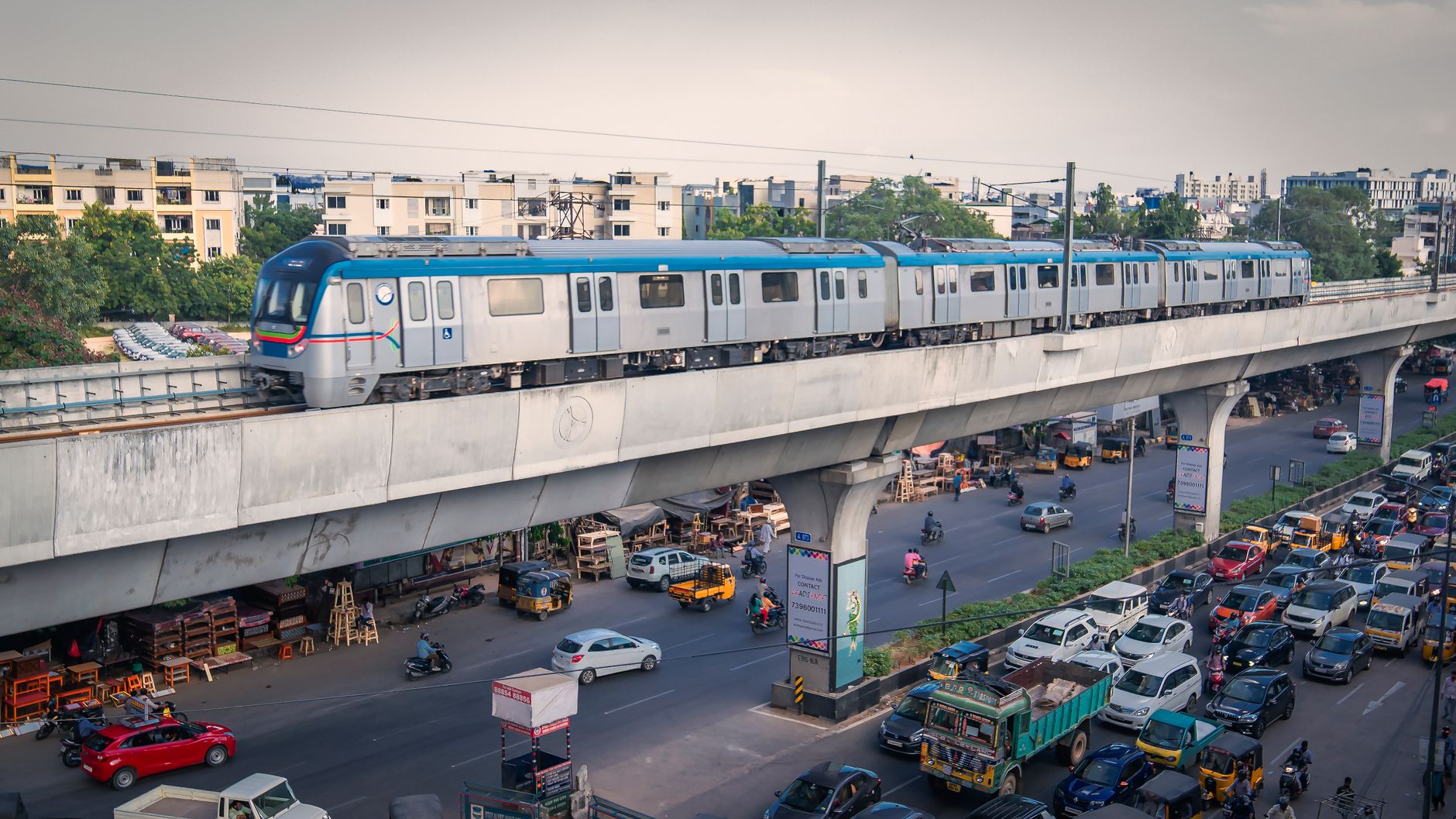
Chennai Metro Phase II is officially open, marking a significant milestone in the city’s transportation development. This expansion promises enhanced connectivity and convenience for commuters.
Overview of Chennai Metro Phase II
The Chennai Metro Phase II project represents a significant expansion of the city’s rapid transit system, aimed at enhancing connectivity and reducing traffic congestion. This new phase is a continuation of the successful first phase, bringing several new features and improvements.
One of the key aspects of Chennai Metro Phase II is the introduction of an extended network that covers approximately 118.9 kilometers. This expansion will connect various neighborhoods and key areas, making it easier for commuters to navigate the city.
The project includes:
- New Lines: Phase II will add several new lines, including corridors that connect the current metro network to underserved areas.
- Modern Stations: The new stations have been designed with advanced facilities to ensure passenger comfort and safety.
- Increased Capacity: Trains in Phase II will operate with a higher capacity, allowing for a more efficient transit experience during peak hours.
- Eco-Friendly Features: The initiative emphasizes sustainability, incorporating energy-efficient systems and green technologies.
The recent inauguration attended by Prime Minister Modi and Tamil Nadu Chief Minister Vijay showcased the government’s commitment to improving urban transport. With its modern features and extensive reach, Chennai Metro Phase II is set to revolutionize public transport in the city.
Key Features of the New Stretch
The Chennai Metro Phase II project introduces several key features aimed at improving urban mobility and enhancing the travel experience for commuters. Here are some of the highlights:
- Extended Coverage: The new stretch of Chennai Metro Phase II expands the network significantly, connecting crucial areas of the city that were previously underserved by public transport.
- Increased Frequency: With additional trains and optimized schedules, passengers can expect shorter wait times, making it more convenient to travel across the city.
- Modern Stations: The design of new stations incorporates contemporary architecture with user-friendly amenities, providing a comfortable environment for commuters.
- Integration with Other Transport Modes: The metro lines are designed to seamlessly connect with bus routes and other transportation services, facilitating easier transfers for passengers.
- Eco-Friendly Technology: The use of energy-efficient systems and green technologies aims to reduce the environmental impact of urban travel, promoting a sustainable future for Chennai.
- Smart Ticketing: Advanced ticketing solutions, including contactless payments and mobile applications, allow for a hassle-free travel experience for users.
These features collectively enhance the overall functionality and accessibility of the Chennai Metro Phase II, making it a vital component of the city’s public transport infrastructure.
PM Modi and CM Vijay’s Metro Ride
In a significant event marking the inauguration of the Chennai Metro Phase II, Prime Minister Narendra Modi and Chief Minister M.K. Stalin boarded the metro to experience the new stretch firsthand. This ride not only showcased the enhanced facilities and routes but also represented a collaborative effort towards improving urban transportation in Chennai.
During the ride, both leaders expressed their enthusiasm for the advancements in the metro system, highlighting its potential to ease traffic congestion and promote environmental sustainability. The Chennai Metro Phase II is designed to cover more areas of the city, making commuting easier for residents and promoting the use of public transportation.
Among the notable features discussed during the metro ride were:
- Expanded Reach: The new stretch connects various key areas, bringing more neighborhoods within easy access to the metro.
- Modern Amenities: Passengers can expect upgraded facilities such as improved seating, digital displays, and enhanced safety measures.
- Increased Frequency: With more trains operating, the waiting time is expected to decrease significantly.
- Environmental Benefits: The metro aims to reduce carbon emissions by encouraging the use of public transport over private vehicles.
As both leaders concluded their ride, they reiterated the commitment to further develop the metro network, ensuring that the Chennai Metro Phase II becomes a vital lifeline for commuters in the city.
Impact on Commuters
The launch of Chennai Metro Phase II is set to significantly impact commuters across the city. With the extended network, travelers can expect enhanced connectivity and reduced travel times, making daily commutes more efficient.
The new phase includes several key features aimed at improving the commuter experience:
- Increased Accessibility: New stations have been strategically located to serve high-density areas, ensuring easy access for a larger number of residents.
- Intermodal Connectivity: Phase II integrates seamlessly with other forms of transportation, including buses and suburban trains, providing a holistic travel solution.
- Improved Frequency: With more trains in operation, commuters can expect shorter waiting times, promoting a more reliable and prompt service.
- Real-time Information: Digital displays at stations will offer live updates on train schedules, helping passengers plan their journeys more effectively.
The overall enhancement in public transport options encourages more people to opt for the Metro, reducing traffic congestion and contributing to environmental sustainability. As Chennai Metro Phase II becomes operational, it is anticipated that the overall flow of the city will improve, fostering a more connected and efficient urban landscape.
With these advancements, the Chennai Metro Phase II is not just a transportation project but a transformative initiative for the city’s infrastructure and its commuters.
Future Plans for Chennai Metro
The future plans for the Chennai Metro Phase II are ambitious and aim to significantly enhance the public transportation network in the city. With the successful launch of the new stretch, officials are looking at various expansions and improvements that will cater to the growing population and traffic congestion in Chennai.
Some of the key future initiatives planned for the Chennai Metro include:
- Extension of Routes: Authorities are considering extending the existing lines to reach underserved areas, allowing more residents to benefit from the metro system.
- Integration with Other Transport Systems: Future plans involve seamless integration with bus services, suburban trains, and even water transport, making it easier for commuters to switch modes of transport.
- Increased Frequency: To accommodate the rising number of passengers, the frequency of trains will be increased, particularly during peak hours.
- Smart Technology: Plans are underway to implement smart ticketing systems and real-time tracking features to enhance user experience.
- Environmental Sustainability: Future expansions will focus on using eco-friendly technologies and materials, contributing to Chennai’s commitment to sustainable urban development.
As Chennai embraces the advancements of the Chennai Metro Phase II, these future plans are expected to significantly improve urban mobility and reduce traffic woes in the city.
Public Response to Phase II
The launch of Chennai Metro Phase II has generated significant public interest and response, as residents express their anticipation for improved connectivity and convenience. Many commuters have taken to social media to share their excitement about the new features and routes introduced with this expansion.
Several users highlighted the benefits of reduced travel times, especially for those commuting between the outskirts and the city center. One commuter noted, “This new stretch will save us so much time on our daily commute. It’s a game changer for Chennai.”
In addition to time savings, others have praised the modern amenities available in the new metro stations. Public feedback indicates that the inclusion of better waiting areas and enhanced cleanliness standards have made a positive impression. Another user remarked, “The stations are much more user-friendly, making it easier for families and elderly passengers.”
Nonetheless, some residents have voiced concerns regarding the operational hours and the need for more frequent services during peak times. Local officials have acknowledged these concerns and assured the public that adjustments will be made based on commuter feedback.
Overall, the public response to Chennai Metro Phase II has been largely positive, with many eagerly awaiting the full operational rollout and the potential impact on daily life in Chennai.
Comparative Analysis with Other Cities
The launch of Chennai Metro Phase II has sparked interest in how it compares to metro systems in other major cities across India and globally. Several key features set the Chennai Metro apart, making it a noteworthy addition to urban transport systems.
One of the most significant aspects of the Chennai Metro Phase II is its extensive network expansion, which aims to cover a distance of 118.9 kilometers. This is a substantial increase from the initial phases and positions Chennai among the cities with the longest metro systems in India, alongside Delhi and Bengaluru. Here are some comparative highlights:
- Network Size: Delhi Metro currently boasts over 390 kilometers, while Bengaluru’s system exceeds 100 kilometers. Chennai’s new stretch aims to bridge this gap significantly.
- Technology: Chennai Metro Phase II incorporates advanced signaling technology similar to that of the Mumbai Metro, which enhances safety and efficiency.
- Environmental Impact: Like Kolkata’s metro, Chennai Metro Phase II emphasizes sustainability, promoting electric trains that reduce carbon emissions.
As urban populations grow, the need for efficient public transport systems becomes increasingly crucial. Chennai Metro Phase II is set to play a vital role in enhancing connectivity, making it comparable to leading metro systems around the world.
Conclusion and Next Steps
In conclusion, the launch of Chennai Metro Phase II marks a significant advancement in the city’s public transportation system. This new stretch not only enhances connectivity across various parts of Chennai but also contributes to reducing traffic congestion and promoting environmentally friendly commuting options.
As residents and visitors begin to experience the benefits of the expanded metro network, several key next steps will be crucial for the ongoing success of Chennai Metro Phase II:
- Monitoring Performance: Continuous evaluation of the metro’s performance will be essential. Authorities will need to gather feedback from commuters to identify areas for improvement.
- Public Awareness Campaigns: To maximize ridership, effective campaigns must be launched to inform the public about the new routes, schedules, and benefits of using the metro.
- Integration with Other Transport Systems: Ensuring seamless integration with existing transport services, such as buses and auto-rickshaws, will promote greater usage of the metro.
- Future Extensions: Planning for future extensions and expansions should be prioritized to further enhance the network’s reach and efficiency.
As the city looks towards a more connected future, the successful implementation of Chennai Metro Phase II will play a vital role in shaping urban mobility, making it not just a transit solution, but a key component of Chennai’s urban landscape.
Photo by Its Kiran on Pexels